
Posting Hiatus Disclaimer
I want to acknowledge my recent absence from writing. I’ve been busy with work and cautious about potential conflicts with previous employers. Now that I’m in a career gap, I’ve found the inspiration to return to writing and share my experiences with fellow consumers striving to live more sustainably and reduce waste. I look forward to sharing more insights in the upcoming months and reconnecting as we navigate this journey together.

In my quest to make my household more sustainable, I’ve embarked on a journey of reduction, thoughtful sourcing, and product swaps. Much like a research project, I’ve immersed myself in understanding ingredients, reading countless reviews, and ultimately opting for brands that align with my values. Diligence and critical thinking have become second nature when it comes to every purchase I make.
In a market flooded with empty claims and misleading marketing, finding the most genuinely sustainable products isn’t always straightforward. This journey has transformed me into a more vocal consumer; I often reach out to customer service teams to express my satisfaction or dissatisfaction with their products. This practice of questioning and educating companies has proven to be both rewarding and, at times, frustrating. I’ve come to see this as a form of “consumer activism,” a way to influence the production and delivery of goods and services.
The Good and the Bad: My Experiences with Companies
Throughout this journey, I’ve encountered a mix of experiences that illustrate the importance of consumer feedback. Here’s the start of a series of posts taking a closer look at some brands I’ve interacted with, both big and small, and how they’ve responded to my inquiries.
Small Brand with Great Products, But Packaging Missteps
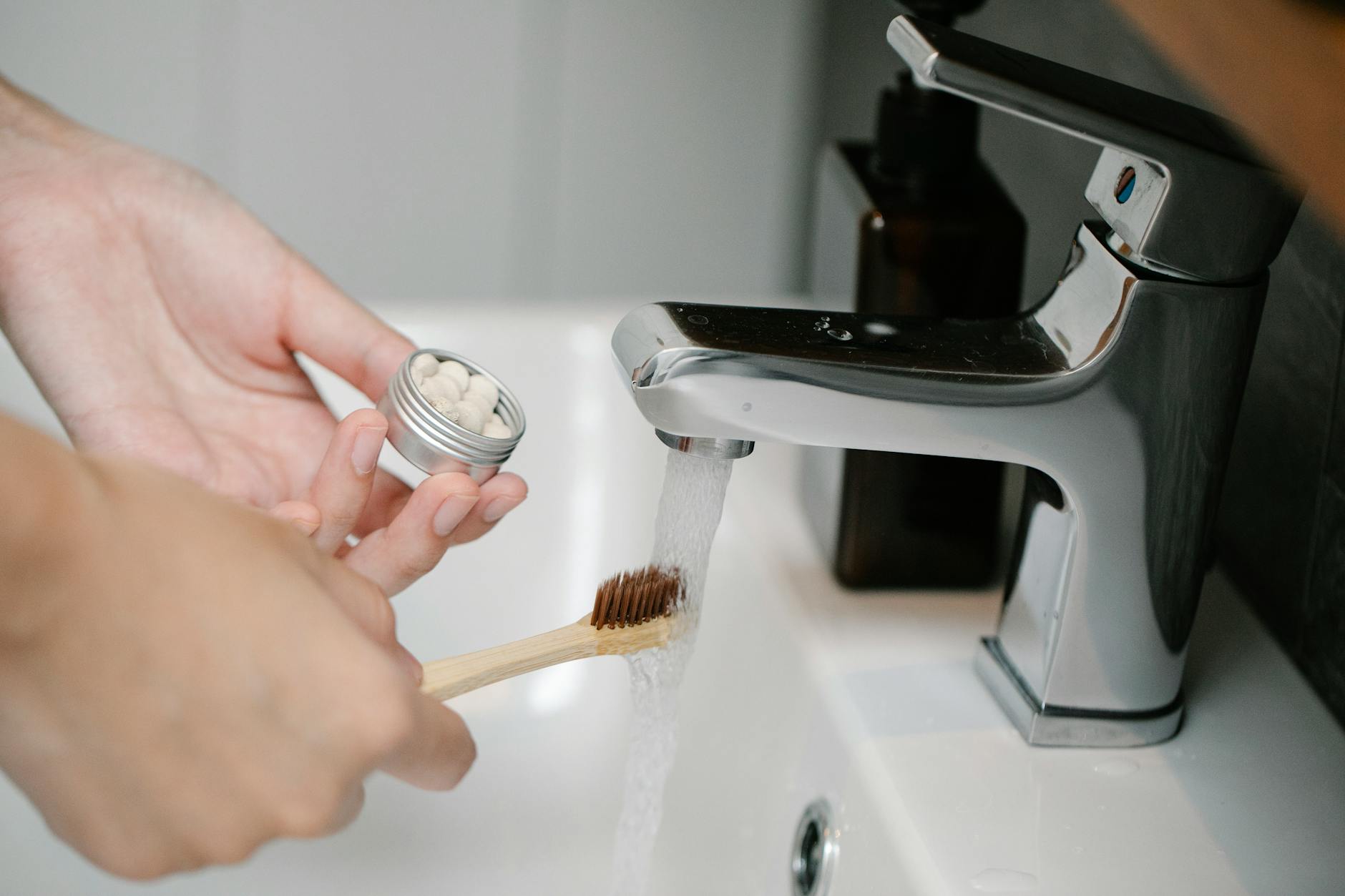
Take Bite, for instance. I discovered their toothpaste tablets while on the hunt for lower-waste and safer alternatives. I listed their toothpaste alternative as one of my top bathroom swaps in 2021. Their innovative subscription model allows me to receive refill pouches for a glass jar, which I appreciate for its reusability. While it’s not a perfect system—since the refill pouches still contribute to packaging waste—it’s certainly an improvement over traditional toothpaste tubes in terms of resource intensity and waste. The idea of minimizing transportation waste with lighter packaging is a fantastic concept that aligns well with my sustainability goals.
According to the Ellen MacArthur Foundation, there are 4 different business-to-consumer (B2C) reuse models:
– Refill at home: Users refill their reusable container at home (e.g. with refills delivered through a subscription service).
– Refill on the go: Users refill their reusable container away from home (e.g. at an in-store dispensing system).
– Return from home: Packaging is picked up from home by a collection service (e.g. by a logistics company).
– Return on the go: Users return the packaging at a store or drop-off point (e.g. in a deposit return machine or a mailbox).
What really concerned me was the material of the pouches, which consists of multiple layers: paper, PLA (a starch-based plastic called Polylactic Acid), and aluminum. According to Bite’s website, “The Bits come in a 4oz glass jar in the first shipment and then in compostable refill pouches after that.”
When I first started my subscription with Bite, I reached out to inquire about the correct disposal for the pouches, especially since PLA is typically considered commercial compostable (see definition below). I received a detailed response, complete with sources supporting the home compostability of their pouches. They explained, “Our home compostable refill pouch is made from metallized PLA and paper sourced from FSC-managed forests. Please cut it into small pieces and add it to your home or backyard compost.” They further elaborated that “small amounts of PLA can successfully compost in bins or piles that reach 111 degrees Fahrenheit. For context, a typical home compost bin should be around 140 degrees to break down regular vegetable scraps, so if your compost can handle banana peels and broccoli stems, it should be able to manage the refill pouch as well.”
COMMERCIAL COMPOSTING VS. HOME OR BACKYARD COMPOSTING: Commercial (or Industrial) composting happens when large quantities of organic material are collected and processed. Businesses like stadiums and restaurants that collect compostables in their front and back of house operations send their material to commercial facilities, usually by contracting with a hauling provider the same way you might for trash or recycling services. Home or Backyard composting happens at a much smaller scale, usually in backyard piles or small in-vessel systems.

Encouraged by their guidance, I followed their disposal instructions and added the pouch pieces to my compost tumbler. Given that temperatures in Atlanta often reach the 90F during the summer, I was confident inside our compost tumbler would surpass the necessary 111°F. However, months later, when I emptied the tumbler, I was disheartened to discover pieces of plastic film and metallized materials mixed in with the compost. It became clear that the pouch hadn’t decomposed as promised. In contrast, the banana peels and broccoli stems had transformed into beautiful, nutrient-rich soil.
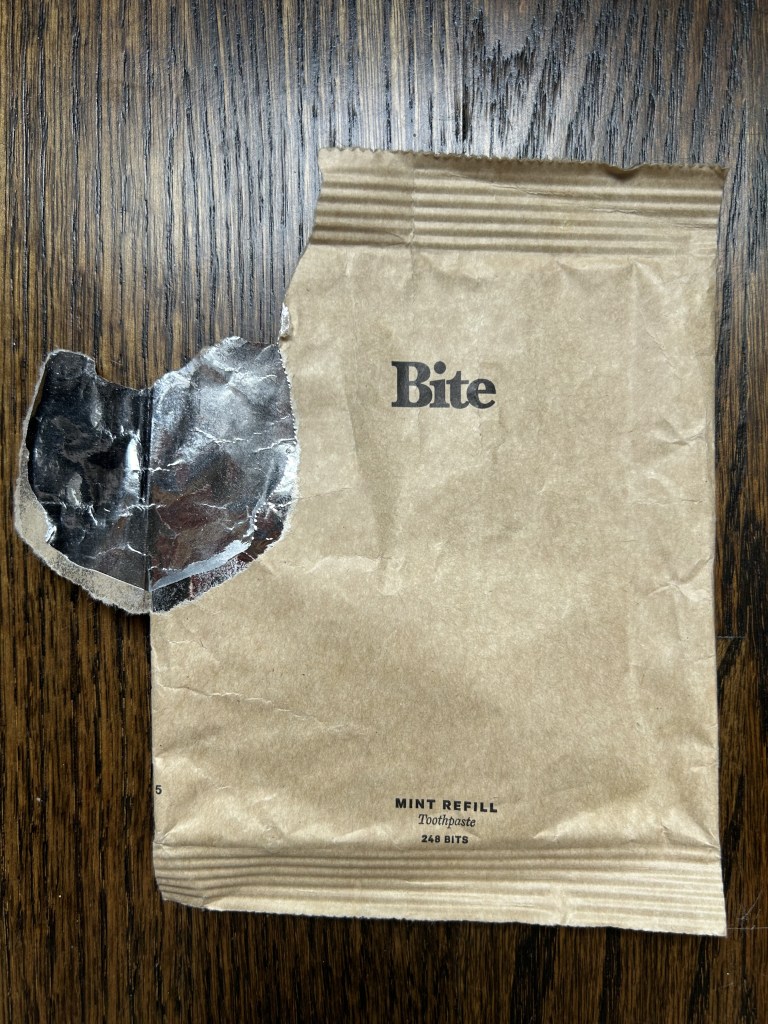
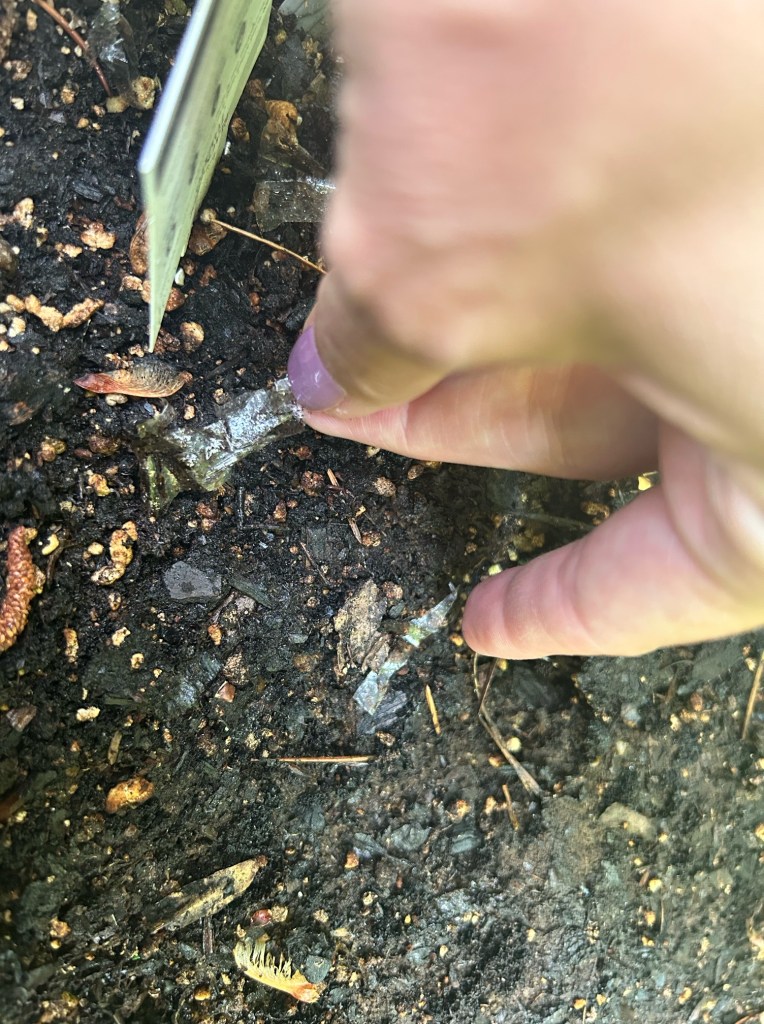
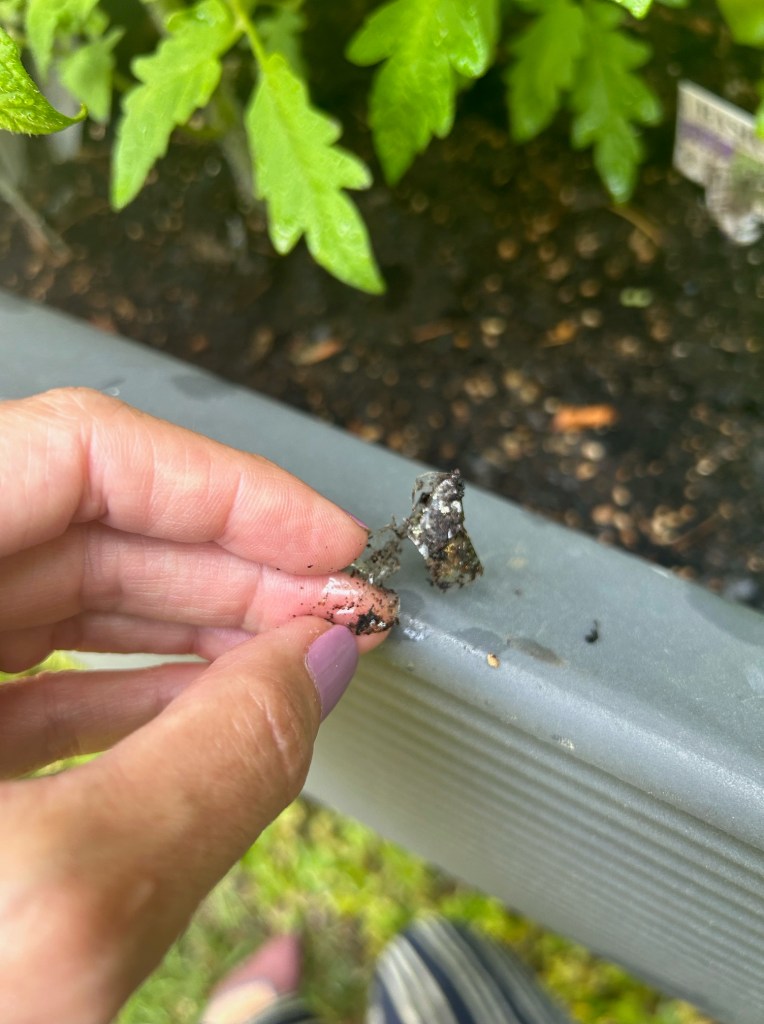
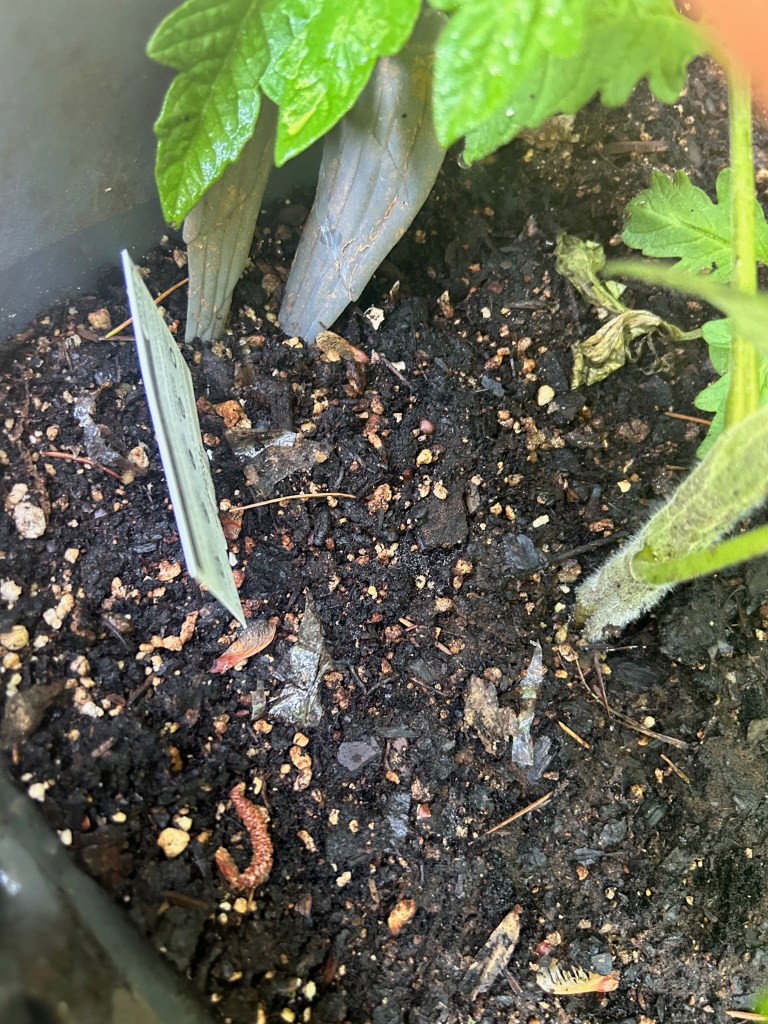
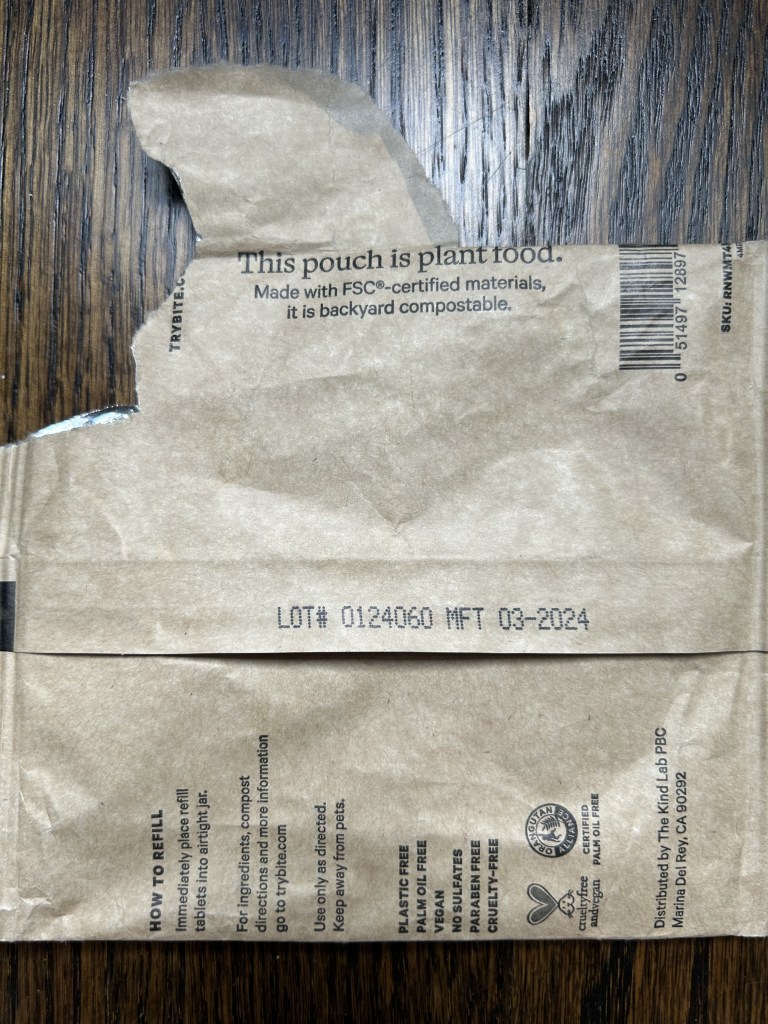
I reached out to Bite again, sharing my findings along with photos of the packaging in my compost, like the ones above. As a loyal customer and supporter of the brand, I suggested they stop advertising the pouch as home compostable until they could identify a truly suitable solution. Alternatively, I recommended they consider working with a third-party certification body to lend credibility to their claims. While I’m not sure what became of my suggestions, I was disappointed to find that my next refill came in the exact same pouch. Frustrated, I ultimately disposed of it in the garbage, feeling conflicted about my commitment to reducing waste.
Lessons Learned and Moving Forward
These experiences have taught me that while companies may have the best intentions, transparency and honesty with consumers are paramount. The complexities brands face are indeed significant, but it’s crucial for them to be straightforward about their products and their sustainability claims.
As I continue this journey, I encourage fellow consumers to engage with brands, ask questions, and share experiences. Our feedback can shape the strategies of these companies, encouraging them to improve their practices and be more accountable.
By holding companies to their claims and supporting those that genuinely prioritize sustainability, we can foster a marketplace that values integrity and responsibility. Whether you consider it activism or simply being a conscious consumer, every action counts in creating a more sustainable world.
 Natu
Natu 
One thought on “Navigating the Sustainable Marketplace: My Journey as a Conscious Consumer, Part I”