
July is almost over, and with it, Plastic Free July campaigns will soon stop reminding us about the impact of plastic on our environment and human health.
For me, Plastic Free July has become a moment of reflection and evaluation. Reducing plastic isn’t easy. In fact, I’d argue it’s not even fully possible for most households. Our homes, grocery stores, and daily routines are built around plastic. So rather than asking how to eliminate it completely, I’ve found it more useful to ask: Which changes are realistic enough to become lifelong habits?
Over the years, I’ve had countless conversations with friends, colleagues, and organizations about which plastic reduction practices they adopted at home, and, more importantly, which ones actually became part of everyday life.
After about six years of intentionally changing how our family shops, cooks, and manages waste, it feels like we’ve reached a point where sustainability is no longer a temporary challenge or trend. These are simply the habits of our household now.
Some experiments didn’t last. Others became things we can’t imagine living without. Every household is different. Some sustainable habits make perfect sense for one family but not another. My list isn’t meant to become your list. The goal is simply to stay curious, keep improving, and take advantage of innovations that continue to make plastic-free alternatives more practical and convenient.
What became part of our routine
Trips to the Recycling Center + Yard Composting
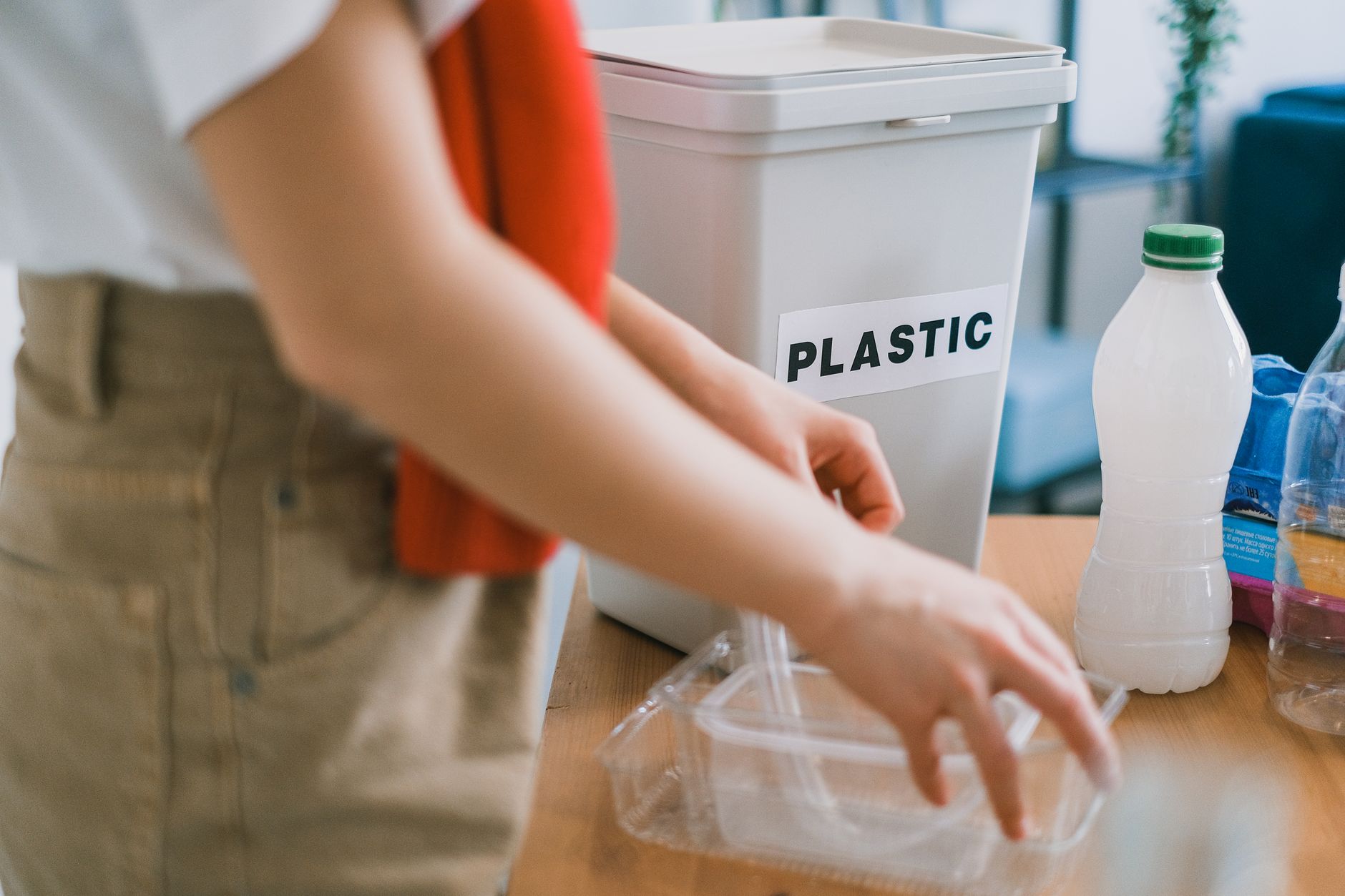
This has probably been one of the biggest contributors to reducing our household waste. I’m not talking about curbside recycling. We’re fortunate to have CHaRM (Center for Hard to Recycle Materials) in Atlanta, a nonprofit recycling facility that accepts a much wider variety of materials, including styrofoam, many hard-to-recycle plastics, electronics, glass, cardboard, and more.
What I appreciate most is the transparency. CHaRM shares where each material goes and who their recycling partners are, giving me confidence that the materials are actually being recycled rather than ending up in a landfill. I’d love for our city’s recycling program to eventually offer the same service. Cities are making progress, but for now it’s actually more convenient for us to make an occasional trip to CHaRM because they accept so much more.
Combined with composting, this has dramatically reduced the amount of trash we send to landfill. We compost fruit and vegetable scraps, leaves, and coffee grounds in tumblers in our backyard. For a family of four, we now generate no more than two small bags of kitchen trash per week.
The plastic-free practices we love
- Beeswax wraps instead of plastic wrap. Effective, washable, reusable, and much prettier.
- Natural loofah sponges instead of synthetic kitchen sponges. When they’re worn out, they simply go into the compost.
- Zero-waste toothpaste tablets. They’re effective, pleasant to use, and completely eliminate plastic toothpaste tubes.
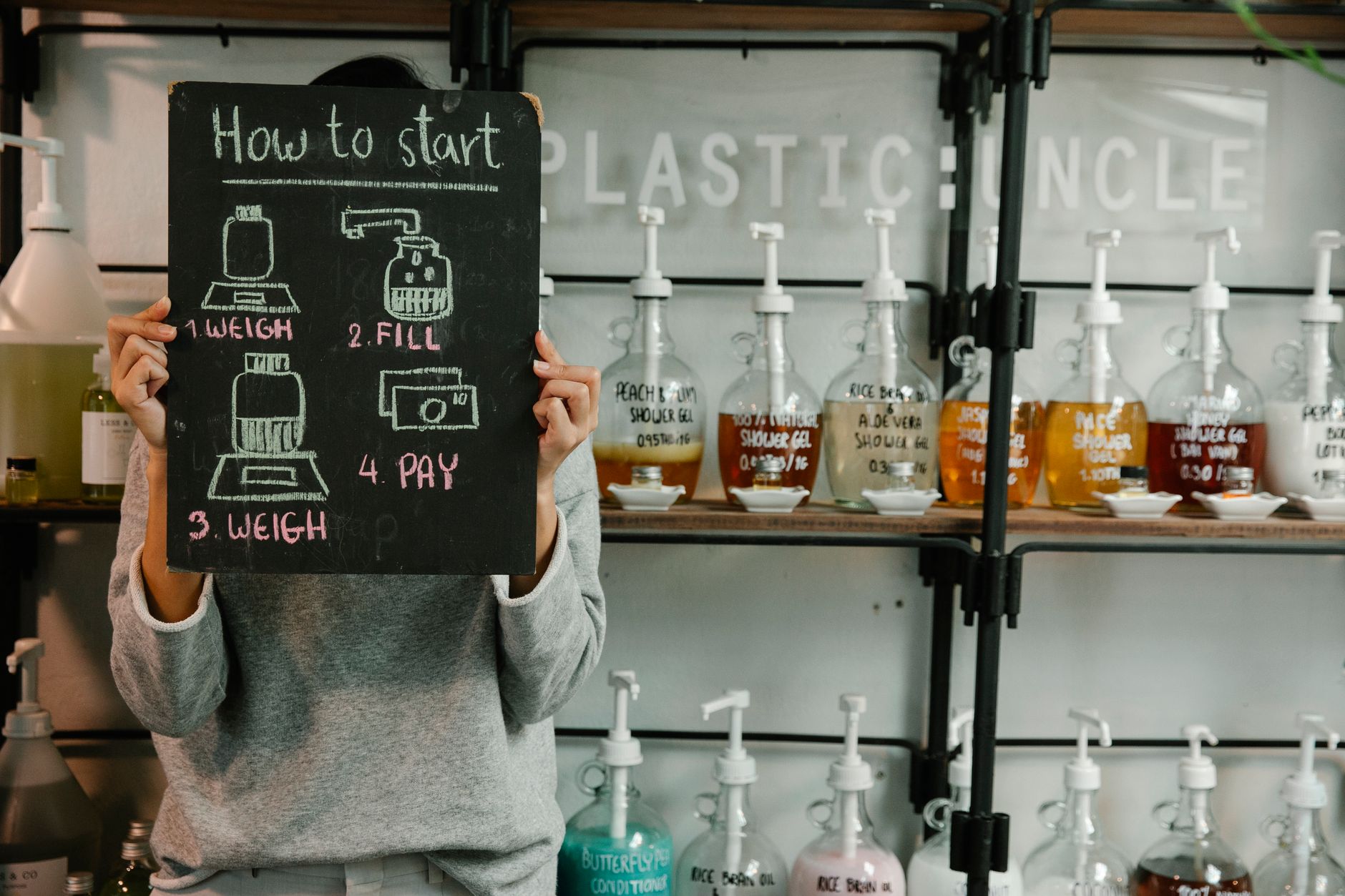
- Buying in bulk whenever possible. We refill dish soap, laundry detergent, hand soap, olive oil, and several pantry staples instead of buying new containers each time.
- Bar soap instead of shower gel.
- Homemade yogurt. I still make at least one batch every week, eliminating seven plastic yogurt containers with every batch.
- Homemade bread and granola. We make enough to supply our household, eliminating bread bags and granola pouches from our grocery shopping almost entirely.
- Our CSA produce box from Fresh Harvest. It arrives with very minimal packaging, and the insulated materials used to keep produce cool are collected back when the basket is returned, and then reused. It’s one of my favorite examples of a local circular system in practice.
What didn’t become a habit
Not every sustainable swap is a success. And that’s okay!
Here are a few that didn’t work for us:
- Shampoo and conditioner bars. We gave them a fair chance and tried several brands, but our hair never adapted.
- Reusable cotton swabs. I simply didn’t like the feel. We switched back to disposable cotton swabs with paper sticks. They’re still single-use, but at least the materials are biodegradable.
- A washing machine microfiber filter. I absolutely believe in the purpose, since washing synthetic clothing is one of the largest household sources of microplastic pollution. But in practice, I found it difficult to remember to clean regularly, it is a bit messy to dry, and it sometimes develops an unpleasant smell. I’m currently exploring other technologies that hopefully make capturing microfibers easier and more convenient.
Six years ago, reducing plastic felt like a long list of sacrifices. Today, it simply feels like routine.
The biggest lesson I’ve learned is that sustainability isn’t about finding the perfect alternative for every product. It’s about finding the changes that fit your lifestyle so well that you stop thinking about them.
Plastic production has more than doubled since 2000, and less than 10% of plastic waste is recycled globally. While reducing plastic at the source is always the priority, some plastic in our lives is simply unavoidable.
I’ve learned that the greatest impact comes from combining upstream solutions—reducing the amount of plastic we bring into our homes—with downstream solutions—making sure the plastic we do use is reused, recycled, or otherwise responsibly managed whenever possible. We need both. Reducing consumption without responsible waste management leaves value on the table, while recycling alone will never solve the problem. Together, these approaches can significantly reduce a household’s contribution to plastic pollution.
Plastic Free July may only last one month, but the habits we build can last for years.

