
I love staying at hotels that leave me with more than great memories. The best ones leave me with new ideas.
Traditionally, the relationship between a hotel and its guests has been one-way. Guests receive comfort, hospitality, beautiful scenery, good food, and a clean room. The hotel’s job is simply to provide an enjoyable experience.
The most memorable hotels I’ve visited turn that relationship into something much more meaningful.
They invite guests behind the scenes. They explain why they source food locally, why there are refill stations instead of bottled water, why the rooms are designed a certain way, or how the building itself was constructed to minimize environmental impact. Instead of sustainability happening quietly in the background, it becomes part of the guest experience.
As a guest, you leave with more than admiration. You leave with ideas you might adopt at home.
That’s a sustainability lesson disguised as a vacation.
This approach is becoming increasingly important as ecotourism continues to grow worldwide. While not every traveler chooses a destination based on sustainability, more people appreciate experiences that connect them with nature, local communities, and responsible business practices. The challenge for hotels is finding initiatives that are both environmentally meaningful and financially viable.
Fortunately, many are proving that’s possible.
A coastal hotel that serves locally caught fish and supports nearby fishing communities isn’t just reducing transportation emissions—it’s strengthening the local economy while giving guests a more authentic dining experience.
Replacing hundreds of plastic water bottles with refill stations isn’t simply about eliminating waste. When accompanied by information about the filtration system, water quality, and environmental benefits, it becomes a lesson that guests may take home and replicate.
A farm hotel where vegetables, herbs, dairy, and meat are produced on-site doesn’t just offer fresher meals. It reconnects visitors with where food comes from and demonstrates the value of local, regenerative agriculture.
A mountain lodge powered largely by renewable energy, thoughtfully designed to blend into the landscape, shows that sustainable architecture can be every bit as inspiring as the scenery outside.
When these places offer farm tours, sustainability walks, behind-the-scenes visits, or simply share the story behind their decisions, the vacation becomes richer. Guests understand the effort behind the experience instead of simply consuming it.
These are a few places that have inspired me.
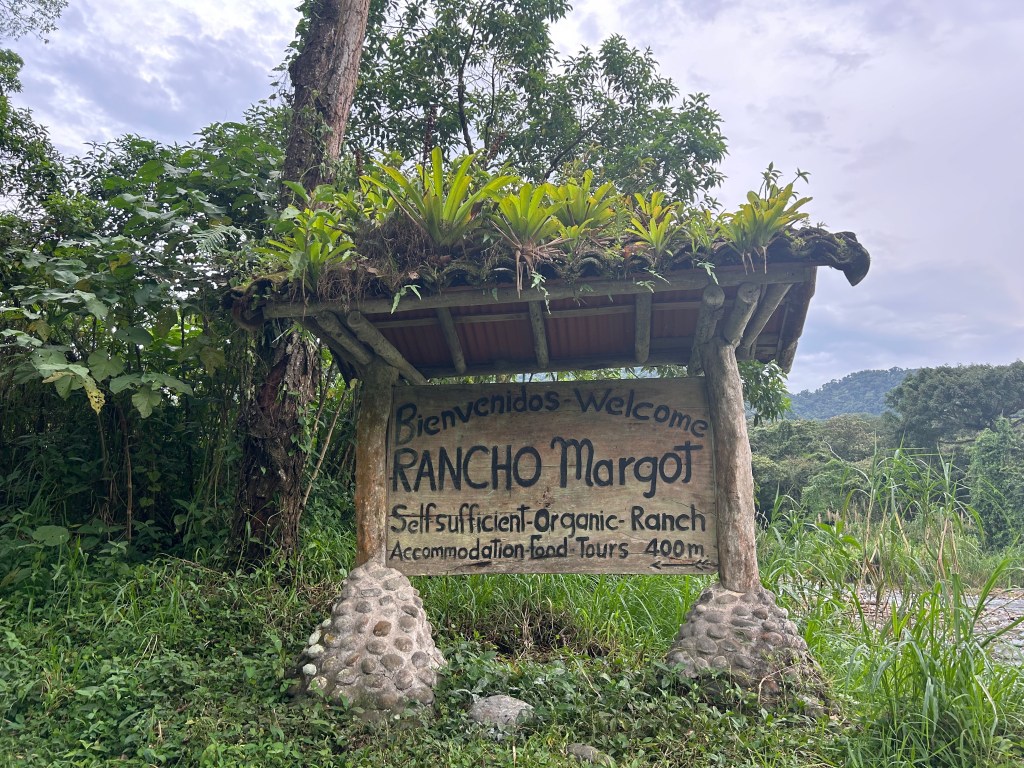
Rancho Margot, Costa Rica
Nestled in the rainforest near Arenal Volcano, Rancho Margot is probably one of the closest experiences I’ve had to seeing a truly self-sufficient hospitality operation. The property is intentionally off-grid, generating its own renewable energy and managing its own water systems while being surrounded by lush rainforest, natural swimming pools, and abundant wildlife.
What impressed me most wasn’t simply the setting—it was the food. Around 90% of the meals served are produced right on the property. Vegetables, herbs, dairy, eggs, and much of the meat come directly from the farm, allowing guests to experience a food system that is both incredibly fresh and remarkably local. Walking through the gardens, meeting the animals, and seeing where your next meal comes from turns every meal into a lesson about regenerative agriculture and self-sufficiency.
Len Foote Hike Inn, Georgia
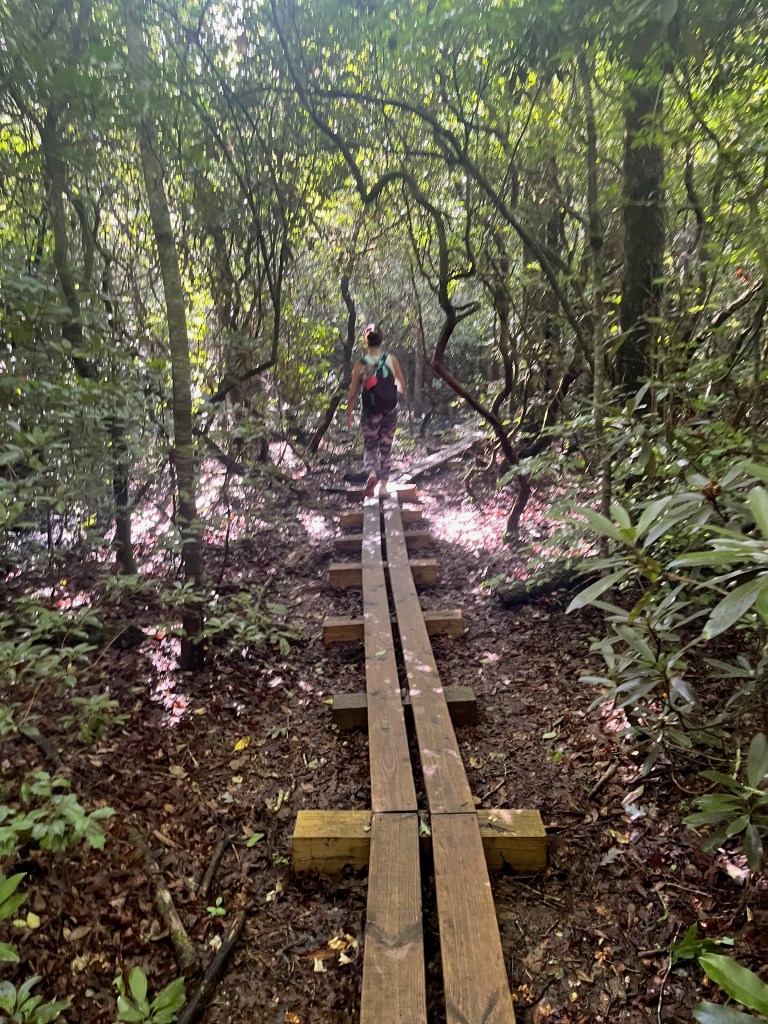
Hidden above Amicalola Falls, the Hike Inn offers something increasingly rare: you can only reach it by hiking five scenic miles through the mountains. The journey immediately changes your mindset. By the time you arrive, you’ve slowed down enough to appreciate the experience rather than simply checking into another hotel.
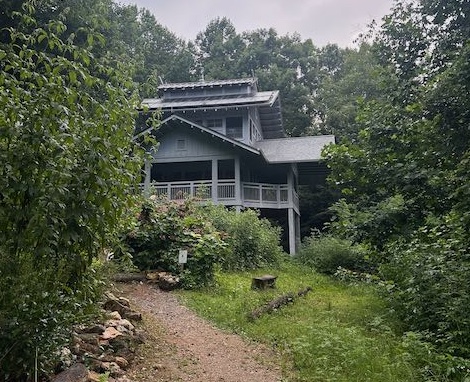
The Hike Inn partnered directly with National Geographic in Washington, D.C., to participate as a pilot project for the very first iteration of the LEED certification system. The lodge demonstrates how thoughtful design can reduce environmental impact without sacrificing comfort. Solar energy supplies a significant portion of the inn’s electricity, water conservation is built into the operation, and the architecture blends beautifully with the surrounding forest. The guest rooms are intentionally simple and compact, encouraging visitors to spend less time indoors and more time enjoying the incredible mountain views, the night sky, and conversations with fellow hikers. Daily sustainability tours explain many of these design choices, helping guests understand how environmental performance and hospitality can coexist.
Iberostar Cozumel, Mexico
Large resort chains aren’t usually the first places sustainability professionals think of when planning vacations, which is exactly why Iberostar Cozumel surprised me.
Rather than treating sustainability as a marketing slogan, Iberostar has embedded waste reduction, water conservation, responsible sourcing, and marine conservation into its operations. The company has made ambitious commitments to eliminate unnecessary waste and protect ocean ecosystems, particularly important in destinations like Cozumel, where healthy reefs and pristine beaches are the foundation of tourism.
What stood out to me was that sustainability wasn’t hidden in a report somewhere. Guests could see many of these initiatives throughout their stay, making it easier to understand how a large hospitality company can reduce its environmental footprint while still delivering the comfort people expect from an all-inclusive vacation.
A Vacation That Lasts Beyond the Trip
When I think back on these trips, I certainly remember the beautiful landscapes, the delicious meals, and the comfortable rooms.
But what stays with me the most are the ideas.
A better way to manage water. A better way to source food. A different approach to waste. Smarter building design. A stronger connection between tourism and local communities.
That’s the kind of souvenir I value most.
The hospitality industry has an incredible opportunity to inspire millions of people every year. Every refill station, farm tour, renewable energy system, composting operation, or local sourcing initiative has the potential to become more than an operational decision—it can become a conversation.
And sometimes, the best thing we bring home from vacation isn’t something we bought.
It’s a habit we learned.

